Before you list: a short-term rental checklist for South African owners
Body corporate rules, insurance, your bond, tax and the guest-ready basics: what to check before you list your property on Airbnb or Booking.com.

Turning your apartment or house into a short-term rental can earn noticeably more than a 12-month lease. But a few checks up front save a lot of pain later. Here’s the list we work through with every new owner before a single photo is taken.
1. Read your body corporate’s conduct rules
If your unit is in a sectional title scheme or an estate, the conduct rules decide what you may do. Under the Sectional Titles Schemes Management Act, a body corporate can make rules about letting, including short-term letting, and many complexes now have specific rules for Airbnb-style stays: minimum stays, guest registration at the gate, limits on visitors or a levy for extra wear on common areas.
- Ask the managing agent for the current conduct rules and any trustee resolutions about short-term letting.
- Check the access process: how guests get remotes, tags or gate codes.
- If there’s a dispute, the Community Schemes Ombud Service (CSOS) is the body that handles it, so it’s worth knowing the rules before guests arrive, not after.
2. Tell your insurer
Many standard homeowners’ and household contents policies assume the home is lived in by you or a long-term tenant. Paying guests can change the risk, and a claim could be declined if the insurer didn’t know. Ask your broker directly: “Am I covered for short-term guests, for building damage, contents and liability?” Get the answer in writing.
3. Check your bond and your municipality
If the property is bonded, read the bond agreement for letting conditions. For houses, especially ones you plan to run like a guesthouse, check the zoning and any land-use rules with your municipality. Apartments in mixed-use buildings usually raise fewer questions, but it takes one email to be sure.
4. Understand the tax side
Income from short-term rental is taxable income in South Africa and goes on your annual return, and many running costs can be claimed against it. How much, and whether VAT ever becomes relevant, depends on your situation, so speak to a registered tax practitioner. Good monthly statements make this easy, which is why ours show every booking, fee and expense.
5. Get the basics guest-ready
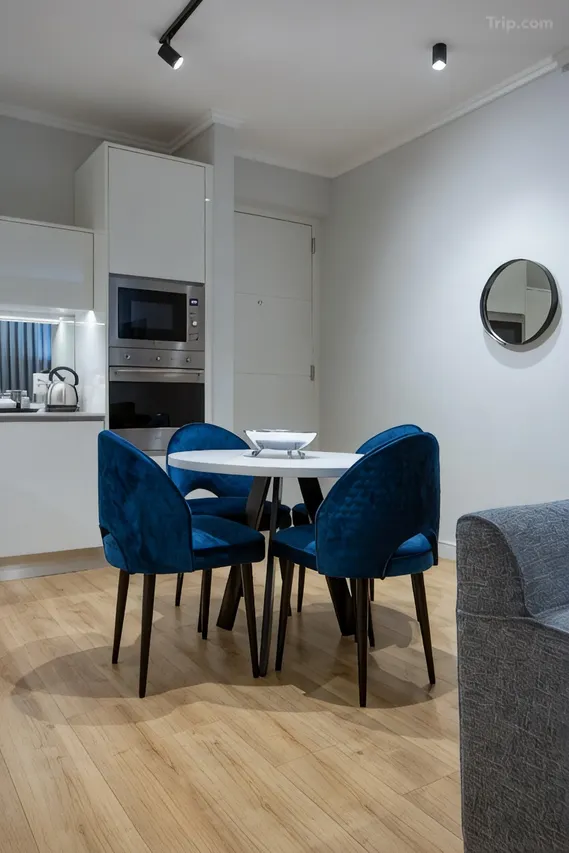
Guests compare your listing with hotels and with every other apartment on the same street. The non-negotiables:
- Fast, uncapped Wi-Fi, and a plan for when the power goes off (see our post on backup power).
- A comfortable bed, blackout curtains, two sets of linen and towels per bed.
- A kitchen guests can actually cook in.
- Secure parking, clearly explained.
- A smart lock or a reliable key handover process.
6. Know what “hands-free” really involves
Running a short-term rental means daily price changes, messages at 11pm, cleans between every stay, restocking, reviews and the occasional burst geyser. You can do it yourself, or hand it to a manager. If you’re weighing that up, our free revenue estimate shows what your property could earn in your area, so you can decide with real numbers.
Ready to talk it through? Get in touch and we’ll walk through your property, your complex rules and the numbers.